
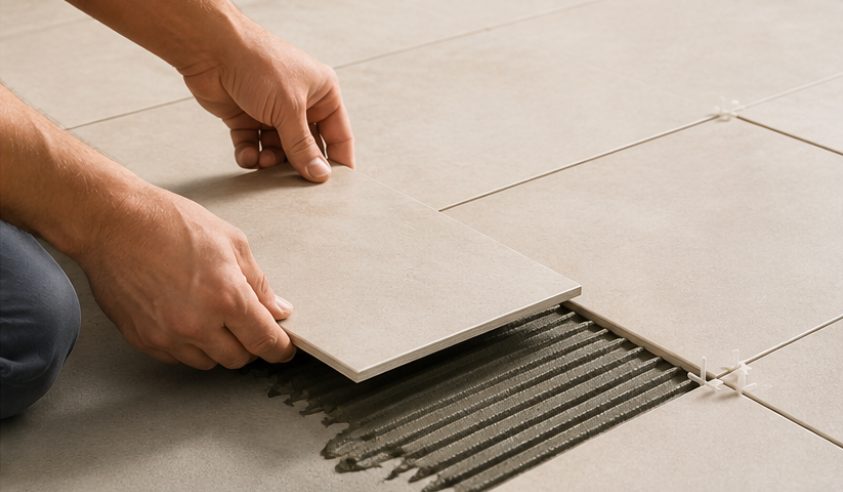
How to choose the right tile adhesive for floors and walls — accordingly, here's what to consider
Choosing the right tile adhesive is one of the decisions that greatly affects the final quality of tiling. Many people assume that choosing a high-quality tile is enough. However, if the adhesive used is not compatible with the surface type, installation location, and tile weight, problems like tile detachment, cracking, loosening, or reduced installation durability may appear over time.
In this article, we will examine what points to consider when choosing adhesive for floors and walls. We will also explore the differences between the needs of these two surfaces and how to choose the best option based on tile type, environmental conditions, and application method.
Why the right tile adhesive matters for floors and walls — accordingly, the key reasons
Many problems that appear after tiling seem related to tile quality or installation method. However, in many cases, the main reason is choosing the wrong tile adhesive. Tile adhesive is not just a material for sticking tiles to a surface. In fact, it must bear the tile weight, create a strong bond between tile and substrate, and resist factors like moisture, temperature changes, and environmental stresses.
For example, the conditions of a floor differ completely from those of a wall. Floors are usually exposed to foot traffic, impact, furniture weight, and mechanical loads. Therefore, the adhesive used for floors must handle these pressures. On the other hand, on walls, besides bonding strength, issues like preventing tile slipping during installation and creating a proper bond become more important.
What problems does using the wrong adhesive cause?
One common mistake in tiling is choosing adhesive based only on price or a seller’s recommendation. However, each environment has its own conditions, and one adhesive type cannot be used for all spaces.
Using the right tile adhesive helps the tile maintain its bond over time. It also reduces problems like detachment or voids behind the tile. However, if the chosen adhesive is not compatible with the tile type or installation location, even proper application may not deliver the desired result.
For example, installing large, heavy tiles on walls requires an adhesive with high bonding strength. Also, in spaces like bathrooms, kitchens, or outdoor areas with more moisture, you must choose a product with good environmental resistance.
As a result, choosing adhesive is not just a simple step before tile installation. Instead, it is part of the proper application process that directly affects the durability, appearance, and service life of the tiling. Understanding the different needs of floors and walls is the first step toward choosing the right adhesive and preventing future repair costs.
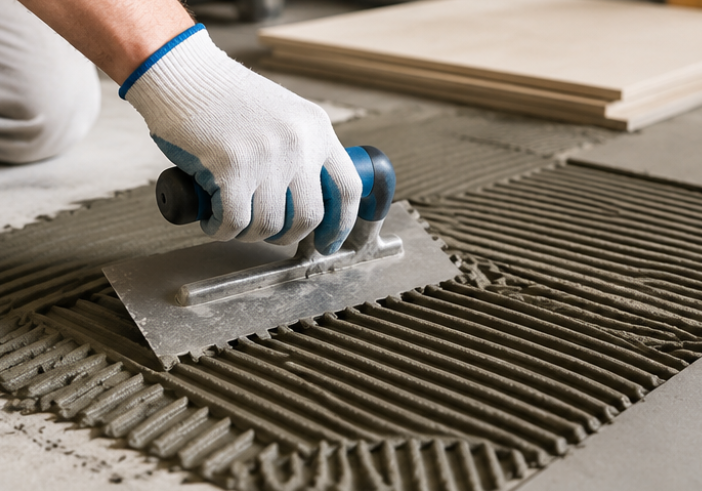
Tile adhesive for floors vs. walls — accordingly, what's the difference
One common question during tiling is whether you can use one adhesive type for both floors and walls, or whether each needs a special adhesive. The answer is that the conditions of these two surfaces differ. Therefore, when choosing the right tile adhesive, consider factors like installation location, tile type, and applied pressure.
Why do floors need more resistance?
Floors are usually exposed to foot traffic, furniture weight, and possible impact. Therefore, the right tile adhesive for floors must have good mechanical resistance in addition to high bonding strength. This allows it to bear the tile weight over time.
In spaces like kitchens, bathrooms, terraces, or parking areas, resistance to moisture and temperature changes becomes more important. In these conditions, choosing an adhesive compatible with the environment increases tiling durability.
What matters when installing tiles on walls?
For wall tile installation, besides bond strength, preventing tile slipping during application is very important. Since the tile sits on a vertical surface, the adhesive must provide good initial grab during installation.
This is especially important for large, heavy, or porcelain tiles, because higher tile weight requires the right tile adhesive with greater bonding strength.
As a result, the main difference between floor and wall adhesive relates to the type of applied pressure. Floors face more weight and mechanical pressure, while walls need resistance to slipping and good initial adhesion. Therefore, when choosing adhesive, do not focus only on price or appearance. Instead, consider the real conditions of the installation location.
Which adhesive for each tile type? Accordingly, here's the guide
One of the most important factors in choosing the right tile adhesive is paying attention to the tile type. Not all tiles have the same weight, size, and water absorption. These differences mean their adhesive needs vary. Choosing the wrong adhesive may prevent a proper bond between tile and surface. As a result, problems appear after some time.
The right adhesive for standard tiles
Standard tiles with higher water absorption usually form a bond more easily than some newer tiles. However, using the right tile adhesive makes installation faster and increases durability.
When choosing adhesive for these tiles, consider factors like installation location, substrate type, and environmental conditions. For example, tiles installed in wet areas need an adhesive with good moisture resistance.
The right adhesive for porcelain and heavy tiles
Porcelain tiles require an adhesive with higher bonding strength due to their high density, low water absorption, and greater weight. The surface of these tiles absorbs less water. Therefore, the adhesive must create a stronger bond between tile and substrate.
In such conditions, using the right adhesive becomes more important. In fact, standard adhesives may not perform well enough to hold heavy or large tiles.
The effect of tile size on adhesive selection
The larger the tile, the greater its weight and the wider its contact area with the adhesive. Therefore, for large tiles, choose an adhesive with higher bond strength and weight tolerance.
Also, the application method is very important. For large tiles, full coverage behind the tile prevents voids and increases installation durability.
Finally, adhesive selection is not based only on tile material. Instead, you must consider a combination of factors like tile size, usage location, and environmental conditions. Understanding these points helps you choose the right tile adhesive for each project, resulting in higher quality and greater longevity.
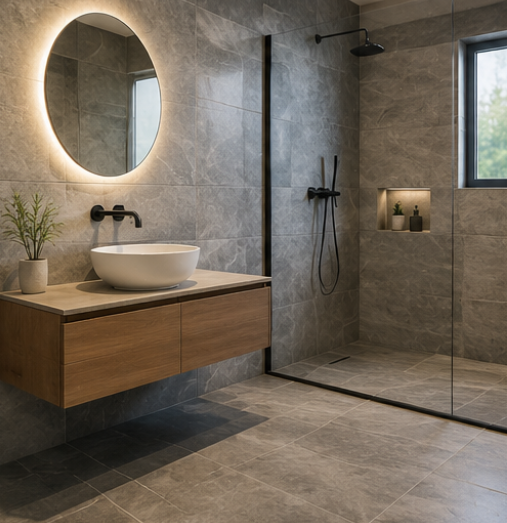
What factors influence the right tile adhesive choice? Accordingly, here are the key ones
Choosing the right tile adhesive is not limited to tile type. Many people focus only on tile material or product price when buying adhesive. However, other factors such as substrate type, environmental conditions, installation location, and application method also greatly affect the adhesive’s final performance.
Check the substrate type
One of the first things to check before choosing adhesive is the surface where the tile will be installed. Surfaces like cement, concrete, plaster, old tiles, or painted surfaces each have different conditions.
For example, if the substrate lacks sufficient strength or contains dust, grease, and dirt, even the best adhesive cannot create a proper bond. Therefore, proper surface preparation is one of the important steps before tile installation.
Environmental conditions and moisture level
The environment where the tile is installed greatly affects adhesive selection. Spaces like bathrooms, toilets, kitchens, and outdoor areas are more exposed to moisture and temperature changes.
In these spaces, you must use the right tile adhesive that can withstand these conditions. Choosing the wrong adhesive in wet environments may reduce bond durability and cause problems like tile detachment.
Tile size and weight
Tile size and weight are also important factors in adhesive selection. Larger and heavier tiles apply more force to the adhesive layer. Therefore, they require an adhesive with higher bonding strength.
For small tiles, the requirements may be simpler. However, in projects using large, porcelain, or heavy tiles, adhesive selection must be done more carefully.
Application method and tiler’s skill
Even the best adhesives cannot perform to their full potential with improper application. The adhesive amount, spreading method, use of proper tools, and respecting the working time all affect the final quality.
As a result, choosing the right tile adhesive requires considering all project conditions. Checking tile type, substrate, and environmental conditions together leads to a more accurate choice and reduces the likelihood of problems after installation.
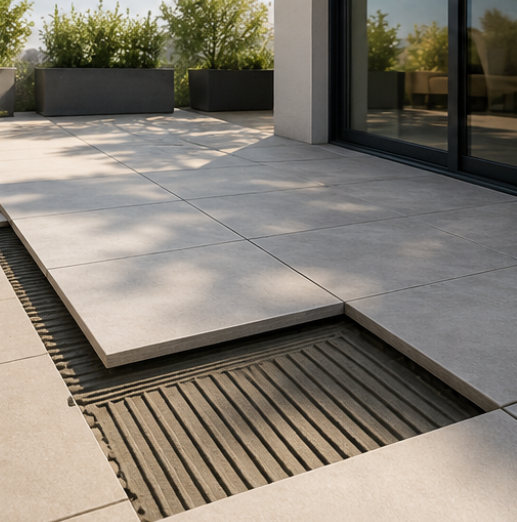
Common tile adhesive selection mistakes — accordingly, how to avoid them
Many problems that appear after tiling are caused by mistakes made during the purchase and selection of the right tile adhesive. Some people assume that any adhesive capable of sticking tiles to a surface works for all projects. However, the truth is that each space and each tile type has different needs.
Understanding these mistakes helps you make a better decision before starting work. As a result, you can avoid extra costs for repairing or replacing tiles.
Choosing adhesive based only on price
One of the most common mistakes is paying too much attention to price and ignoring quality and technical features. An adhesive may have a lower price. However, if it is not suitable for the tile type or installation location, it will create higher costs in the future.
When buying, consider factors like bonding strength, moisture resistance, tile type, and environmental conditions. Choosing a suitable product increases the durability of the tile installation.
Using one adhesive for all spaces
Another common mistake is assuming one adhesive type works for all parts of a building. However, the conditions of a floor, wall, exterior facade, or wet area differ from one another.
For example, an adhesive that performs well in a dry room may not be a suitable choice for a high-humidity environment. Therefore, before choosing the right tile adhesive, carefully examine the usage location.
Ignoring the tile type
Some tiles, such as porcelain, large tiles, and heavy tiles, require an adhesive with higher bond strength due to their specific features. Using the wrong adhesive for these tiles reduces installation durability.
Understanding tile material and size is one of the most important steps in adhesive selection. Do not ignore it.
Ignoring surface preparation
Even if you choose the best adhesive, applying it on an unsuitable surface will not produce good results. Dust, grease, excess moisture, or major unevenness on the surface can reduce bonding.
Therefore, before application, fully prepare the substrate so the adhesive can create a proper bond.
Finally, avoiding these mistakes helps the right tile adhesive perform to its full potential. As a result, the tiling maintains its quality and strength for a long time. The right adhesive choice is the first step toward a proper and durable installation.
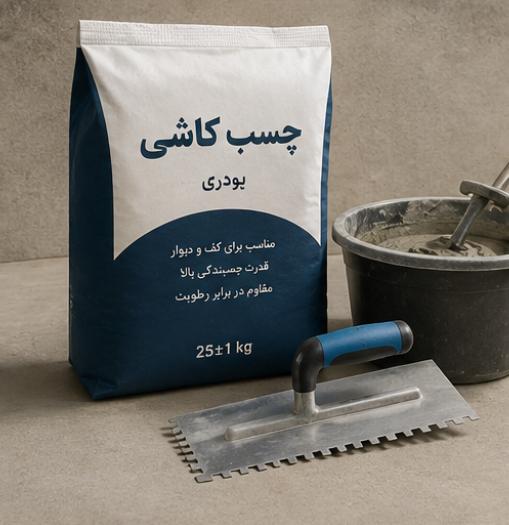
Conclusion: how to choose the right tile adhesive
Choosing the right tile adhesive is one of the most important steps for a durable and problem-free tile installation. As we examined, you cannot use one product type for all conditions. In fact, tile type, installation location, moisture level, substrate condition, and tile weight all affect the final choice.
For floors, resistance to pressure and weight is more important. For walls, bonding strength and preventing tile slipping become more critical. Also, for large or porcelain tiles, use a product that can create a stronger bond.
Finally, the best approach is to examine the real project conditions before buying. Then, choose the right tile adhesive based on that specific environment’s needs. The right choice, combined with proper application, increases tiling lifespan and prevents future repair costs.