

Why is it important to repair cracks in ceramic tiles?
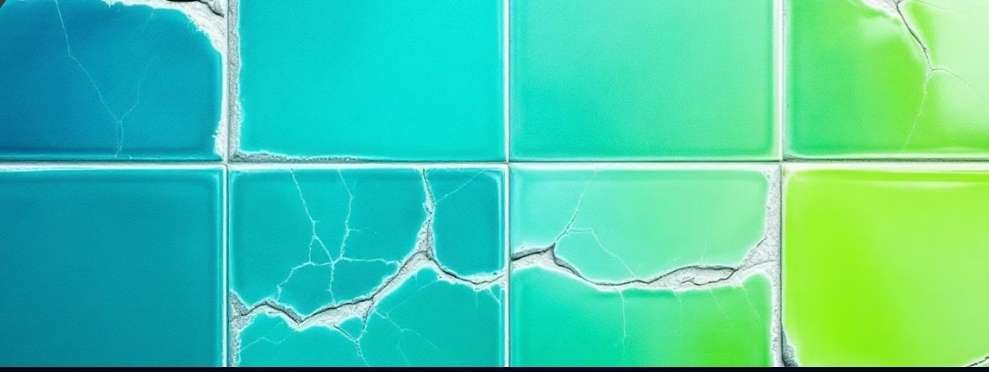
Tiles and ceramics play a key role in the beauty and durability of floors and walls. However, over time, various factors can cause cracks to appear on their surfaces. These small cracks might seem insignificant at first, but they gradually expand and turn into bigger problems. If not repaired, moisture and dust can seep under the tiles, weakening the adhesive and increasing the risk of the tiles detaching or breaking completely.
Besides diminishing the appearance of the space, cracks can also pose physical hazards. An uneven tile surface can cause slipping or snagging of small objects, creating safety risks. On the other hand, timely repair of cracks can prevent the high costs of full tile replacement. Fortunately, there are several ways to repair tile cracks easily at home, without needing advanced technical skills or high expenses. In the following sections, we’ll explore the causes of cracks, the necessary tools for repairs, and different methods to fix cracked tiles.
Reasons for cracks in ceramic tiles
Cracking in tiles and ceramics can happen for various reasons. One of the main causes is temperature changes and the expansion and contraction of materials. As the temperature fluctuates, tiles expand and contract. If there isn’t enough space between the tiles to allow this movement, excessive pressure builds up, causing cracks.
Another reason is building settlement. In some buildings, especially during the first few years after construction, slight structural settling can occur, leading to the appearance of fine cracks on the tiles. Improper tile installation is another cause. If the right adhesive or mortar isn’t used, or if the base isn’t properly prepared, tiles can gradually become loose and crack over time.
Excessive pressure on tiles is also an important factor. Placing heavy objects on tiles, sudden impacts (such as dropping heavy items), or even frequent foot traffic in a specific spot can cause cracks. Additionally, using unsuitable cleaning chemicals, especially strong acidic substances, can weaken the tile surface over time and lead to cracks.
Understanding these factors helps you not only repair existing cracks but also prevent new ones from forming in the future.
Tools and materials needed to repair cracks
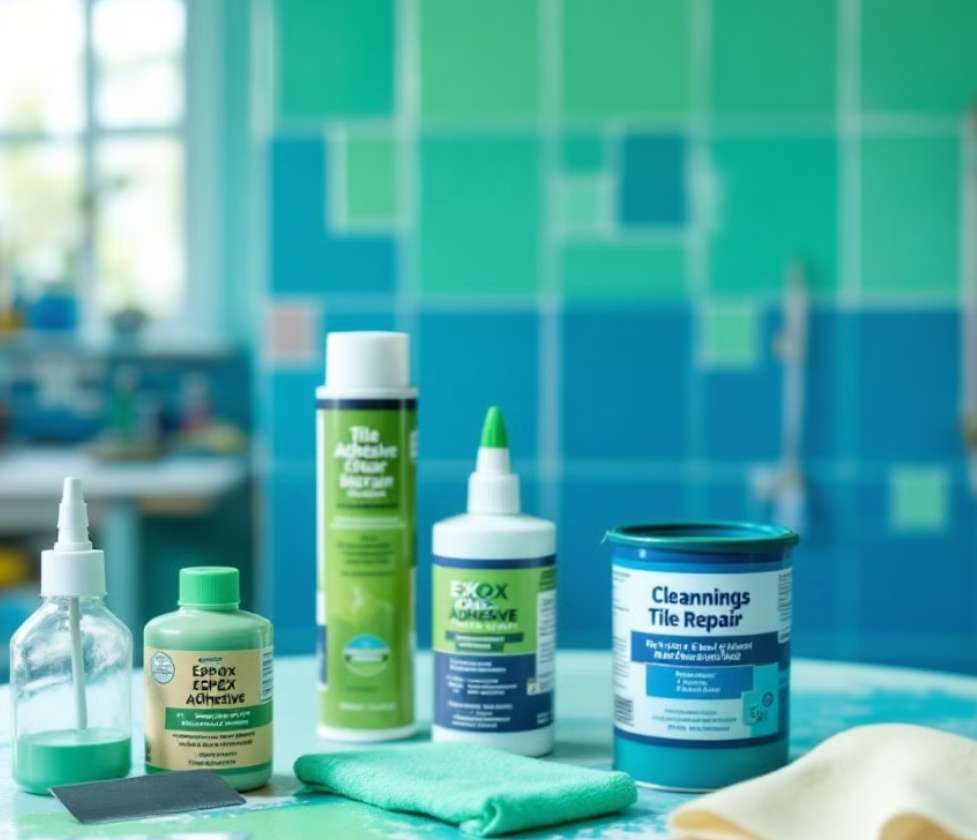
Using the right tools for repairing tile and ceramic cracks ensures the work is done faster and with better quality. Depending on the type of crack, some of these tools might be more essential, but overall, having them makes the job much easier.
Tile adhesive and sealant: These materials are used to fill small cracks and prevent moisture from penetrating under the tile. Powdered, paste, and porcelain adhesives are the best options.
Spatula or putty knife: Used to apply adhesive and smooth the surface.
Drill and tile cutting tools: If the cracked tile needs to be replaced, a drill and tile cutter are essential for removing the damaged tile.
Hammer and tile chisel: Used to remove damaged tiles without destroying the surrounding ones.
Grout or special mortar: If tile replacement is needed, these materials fill the spaces between tiles.
Cloth or sponge: For cleaning the surface after the repair.
In addition to these tools, using gloves and safety goggles is essential when working with chemicals or cutting tools. With this equipment, tile cracks can be repaired professionally and durably.
Different methods for repairing cracks in ceramic tiles
Using Sealant for Surface Cracks
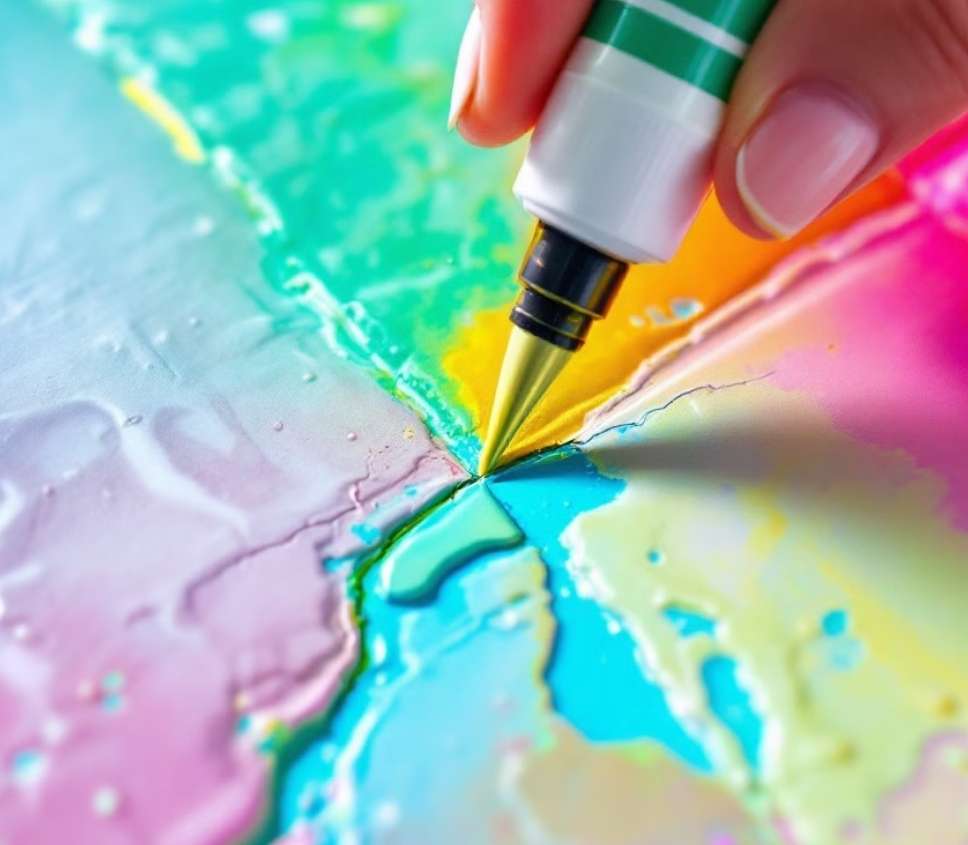
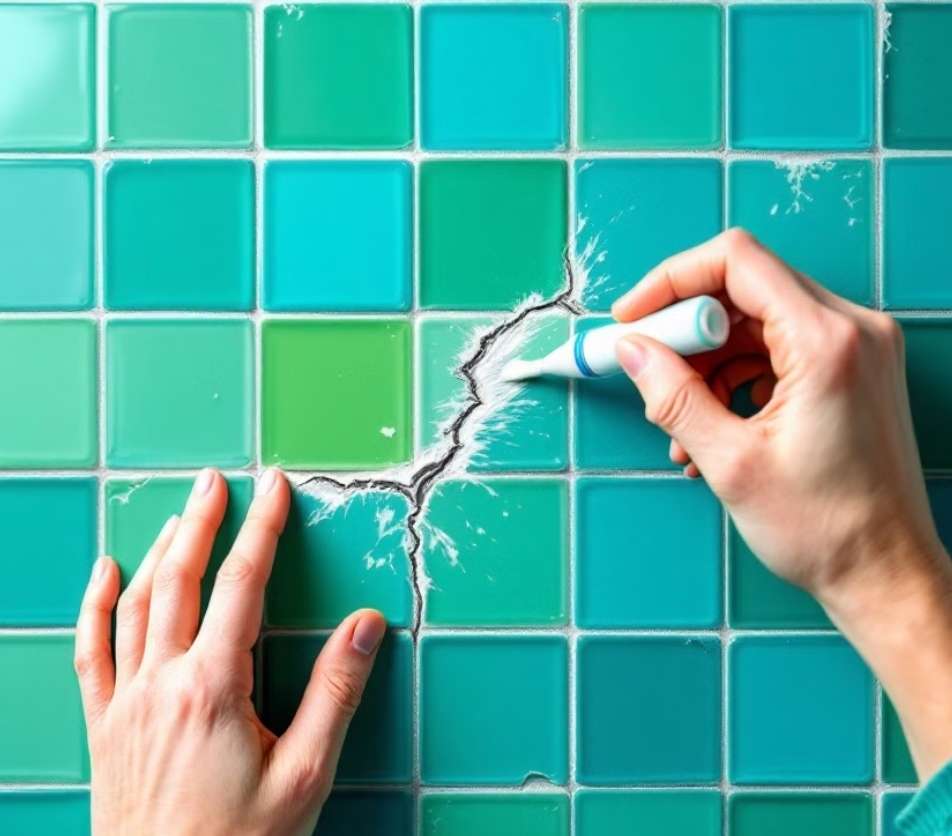
If the crack is small and on the surface of the tile, using a sealant can be the best solution. First, completely clean and dry the tile surface. Then, using a spatula or a special syringe, apply an appropriate amount of sealant into the crack and smooth the surface. After drying, you can cover it with clear lacquer or tile-specific paint for a seamless look.
Filling Cracks with Tile Adhesive
For deeper cracks, tile adhesives or special tile cement are better options. These materials are highly durable and bond well with the tile surface. To apply, first clean the crack, then inject the adhesive into the crack and smooth it with a spatula. Allow the adhesive to dry completely, and if necessary, paint over it to match the surrounding tiles.
Replacing the Damaged Tile (If Needed)
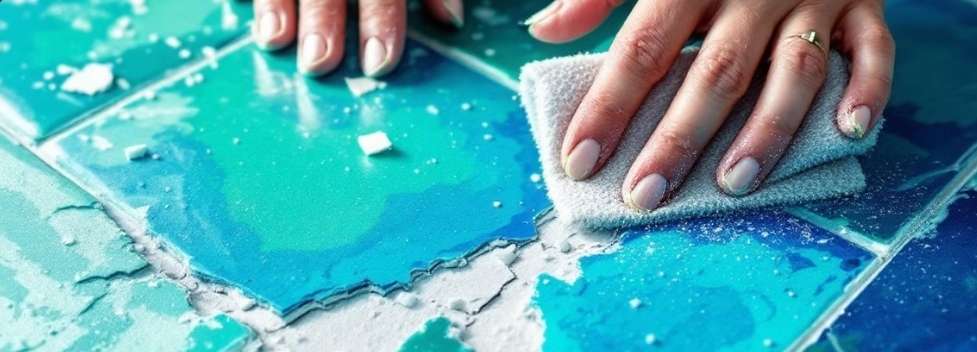
If the crack is very deep or multiple cracks exist on a single tile, the best solution is complete replacement. First, carefully remove the broken tile using a drill, hammer, or tile chisel. Then, clean the surface underneath and install a new tile using special tile adhesive. After it dries, fill the joints with grout for a uniform appearance.
Safety tips and professional advice
Although tile crack repair is not very difficult, following some safety tips is essential. When working with chemical adhesives, always wear gloves to prevent direct contact with your skin. If you are using a drill or cutting tools, wear safety glasses to protect your eyes from potential injury.
One common mistake is using inappropriate adhesives for repairs. Always use tile-specific adhesives to ensure longer-lasting results. Also, before starting, make sure to thoroughly clean the tile surface so the adhesive or sealant can bond more effectively.
Methods to prevent tile cracking in the future
Tile and ceramic cracks are often caused by environmental and structural factors, but by following a few important tips, new cracks can be prevented. One of the most important solutions is proper tile installation. When installing, always use standard adhesives and mortar and allow them to dry completely. Creating adequate spacing between tiles and using flexible sealants helps prevent additional pressure on the tile surface.
- Controlling temperature changes is also very effective in preventing cracks. In areas like bathrooms, kitchens, or outdoor spaces, it’s best to provide proper ventilation to minimize tile expansion and contraction caused by temperature and humidity fluctuations.
- Preventing heavy impacts and pressure is equally important. Placing heavy objects directly on tiles or dragging heavy appliances like refrigerators or furniture without using protective pads can eventually lead to surface cracks. If the floor experiences heavy foot traffic, using more durable tiles is recommended.
Finally, proper tile maintenance can prevent cracks. Using suitable cleaners, regularly inspecting surface cracks, and quickly repairing them will help avoid further damage.
Exploring alternative materials for filling cracks in ceramic tiles
For repairing tile and ceramic cracks, in addition to special adhesives, there are various alternative materials that can be used depending on the type and severity of the crack. Below, we review some of these materials along with their advantages and disadvantages.
1- Epoxy Resin
Advantages: High strength, strong adhesion, waterproof.
Disadvantages: Relatively high cost, requires skill for mixing and application.
Epoxy resin is one of the best options for deep cracks. After drying, it offers excellent strength and is resistant to water and cleaning agents, but you should also know that its price is relatively high.
2- White Cement and Stone Powder
Advantages: Availability, low cost.
Disadvantages: Lack of flexibility, potential for re-cracking.
This mixture is used to fill small cracks, but over time and with temperature changes, it may crack again.
3- Silicone Sealants
Advantages: Flexibility, resistance to moisture.
Disadvantages: Less durability compared to epoxy, discoloration over time.
Silicone sealants are suitable for surface cracks and humid environments like bathrooms.
Choosing the best option depends on the condition of the crack, the type of tile, and your budget.
Repairing tile cracks with creative and low-cost methods
Not all tile cracks require professional and expensive repairs. In many cases, creative and low-cost methods can effectively hide the cracks and maintain the beauty of the space.
1- Using Special Tile Markers
Some brands produce tile markers that can cover fine and surface cracks. These markers are suitable for small cracks and are easily available.
2- Decorative Stickers
If cracks are located in highly visible areas, special decorative stickers for tiles can be used. This method not only hides the cracks but also enhances the appearance of the space.
3- Painting the Joints
Using special tile paints, repaired cracks can be colored to match the surrounding area, making them less noticeable.
4- Combining Colored Grout and Waterproof Sealants
For floor tiles, colored grouts can be used, which not only fill the cracks but also give a natural look to the tiles.
These methods are suitable for surface cracks only. For deeper damages, it is better to use more specialized repair techniques.
The effect of weather conditions on tile cracking and coping strategies
Climate changes are one of the most significant causes of tile cracking. In environments with extreme temperature fluctuations and high humidity, tiles are more likely to crack.
1- Expansion and Contraction due to Temperature Changes
In regions with cold winters and hot summers, tiles experience constant expansion and contraction, leading to cracks. Using temperature-resistant tiles and leaving proper gaps during installation helps reduce this issue.
2- The Impact of Humidity and Water
In humid environments like bathrooms and kitchens, water penetration under the tiles loosens them and exacerbates cracking. Using waterproof sealants and proper installation of tiles prevents this issue.
3- Prevention Methods
Use of flexible adhesives with high flexibility
Proper sealing with waterproof and heat-resistant materials
Controlling humidity levels in enclosed spaces with proper ventilation
By following these tips, tile cracking due to weather conditions can be prevented.
Common mistakes in repairing tile cracks and ways to prevent them
Many people make mistakes when repairing tile cracks, which reduces the durability of the repair or even worsens the problem. Below are some of the most common mistakes and ways to avoid them.
1- Using inappropriate adhesives or sealants
Mistake: Some people use regular adhesives or low-quality sealants, which separate after a while.
Solution: Always use the appropriate adhesive, high-quality sealant, or specialized mortar.
2- Improper surface preparation
Mistake: Filling cracks without cleaning and drying the surface properly causes the materials not to bond well with the tile.
Solution: Clean and dry the surface thoroughly before starting the repair to ensure better adhesion.
3- Rushing the drying process
Mistake: Many people walk on the tiles immediately after repair, which causes the repair materials to separate.
Solution: Allow at least 24 hours for the materials to dry and set completely.
4- Not using protective coatings or final layers
Mistake: Many people don’t apply any protective layer after the repair.
Solution: After finishing the repair, use waterproof and scratch-resistant coatings to increase the durability of the repair.
By following these tips, you can repair tile cracks properly and prevent new problems from arising.
The impact of cracked tiles on property value and repair solutions
Cracked tiles not only make the appearance of the house unattractive, but they can also decrease the property value in many cases. Buyers, when visiting a home, pay attention to details such as the condition of the tiles, and visible cracks can negatively affect their decision.
1- The impact of cracked tiles on property value
Unattractive and outdated appearance of the house
Creates a sense of neglect and the need for more renovation costs
Reduces the overall property value when selling
2- Quick solutions to increase property value
Repairing superficial cracks with specialized adhesives, re-grouting, and painting the joints
Replacing cracked tiles in key areas like the kitchen and bathroom
Cleaning and re-sealing the tiles to enhance the home’s visual appeal.
3- Low cost vs. increased property value
By repairing cracked tiles at a low cost, you can improve the home’s appearance and prevent a decrease in property price. In many cases, these actions are key steps in preparing a home for sale.
Conclusion: Taking care of cracked tiles is a small investment with a significant impact on property value, which should not be overlooked.
Conclusion
Cracked tiles may initially seem small and insignificant, but if not repaired in time, they can lead to major problems. Water and dust seeping into the cracks, the expansion of gaps, and even loosening tiles are some of the consequences of neglecting this issue. Fortunately, there are various methods for repairing cracks, many of which can be done at a low cost and without the need for professional expertise.
Repairing cracked tiles not only prevents technical problems but also has a significant impact on the aesthetics of the space. Cracked tiles create an unattractive appearance and reduce the visual appeal of the area. In contrast, proper repair makes the surface of the tiles look smooth and beautiful again.
Economically, repairing cracks is much less expensive than completely replacing tiles. Therefore, instead of ignoring small cracks, it’s better to repair them with appropriate methods as soon as possible to avoid higher costs in the future.