
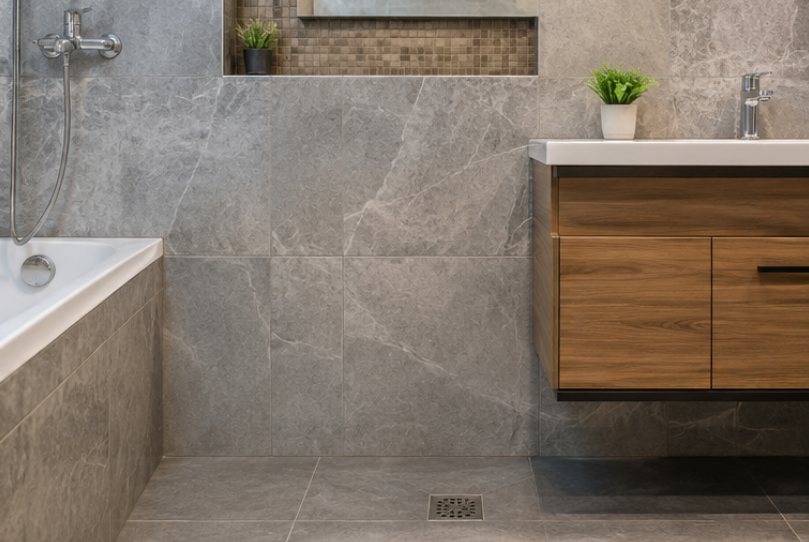
Tile adhesive for wet areas — accordingly, a selection guide
Adhesive selection for wet areas is not just about sticking tiles to the surface. If the adhesive is not compatible with the environment, problems like tile detachment, moisture penetration, mold growth, and reduced covering life will appear over time — increasing repair costs. Therefore, understanding the features of a suitable tile adhesive for wet areas is essential.
In this article, we will examine what defines a wet area, what characteristics a standard tile adhesive should have, the differences between adhesive types, key factors to consider when selecting and buying, and common mistakes that can reduce tile durability. By the end, you will have a clear view to choose the best tile adhesive for your project.
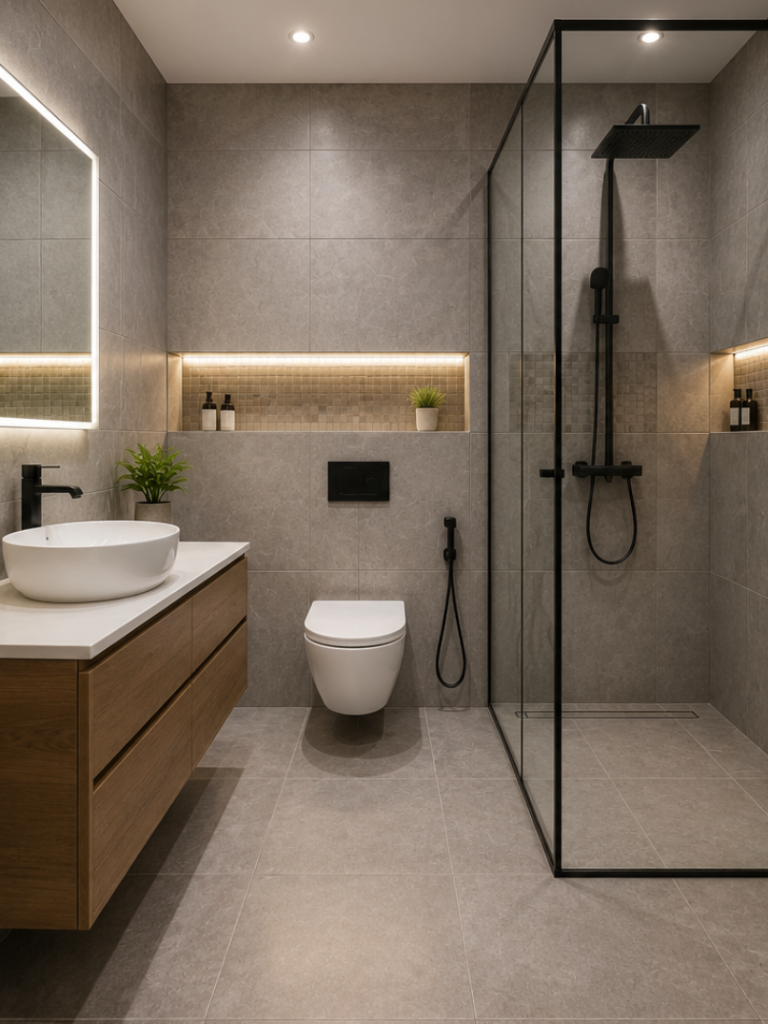
Why tile adhesive selection matters in wet areas — accordingly, the key reasons
When it comes to tile installation in wet areas, many people focus only on tile design and quality. However, the durability of tiling depends just as much on adhesive selection. Even if you use the best tiles, choosing the wrong adhesive can cause many problems in the future.
Bathrooms, toilets, kitchens, pools, saunas, and laundries are constantly exposed to moisture, steam, or direct water contact. Therefore, these spaces have different conditions than dry areas. As a result, an adhesive that performs well in a dry environment may not be suitable for wet areas.
One of the most common problems caused by poor adhesive selection is reduced bonding strength. This problem usually develops gradually and may show no signs in the first few weeks or months. However, over time, tiles become loose. They produce a hollow sound when tapped, and may eventually detach from the surface.
How does moisture affect tile adhesive performance?
If the adhesive lacks sufficient water resistance, moisture gradually penetrates into the underlying layers. As a result, the bond between tile and substrate weakens. This increases the likelihood of tile detachment. In addition, mold, fungus, unpleasant odors, and substrate damage may occur. These problems are more common in poorly ventilated areas.
The right choice means lower future costs
Many people focus only on adhesive price when buying. However, choosing an unsuitable product can lead to much higher costs. In many projects, tiles must be removed, the substrate must be re-prepared, and installation must be done from scratch.
On the other hand, not all wet areas are the same. For example, the needs of a home bathroom differ from those of a pool or sauna. The level of water exposure, temperature changes, substrate type, and tile size all affect adhesive selection. Therefore, do not choose an adhesive based only on price or brand. Instead, consider environmental conditions and project requirements. This will increase tile durability and prevent future extra costs.
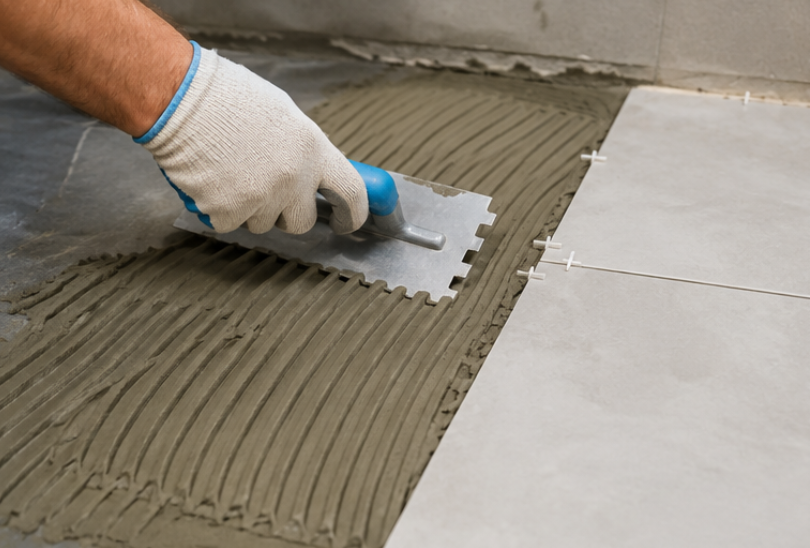
Why tile adhesive selection matters in wet areas — accordingly, the main reasons
When it comes to tile installation in wet areas, many people focus more on tile design, color, or quality. They assume that if the tile is high-quality, no problems will occur. However, the truth is that tiling durability does not depend only on the tile itself. Tile adhesive is one of the most important factors determining the final quality of the installation. If the adhesive is not chosen correctly, even the best tiles will develop problems over time.
Spaces like bathrooms, toilets, kitchens, pools, saunas, and laundries are constantly exposed to moisture, steam, or direct water contact. These conditions put more stress on the adhesive. If the adhesive is not designed for such an environment, it will gradually lose its bonding strength. As a result, water will penetrate behind the tiles and cause problems that may not be visible at first but will lead to significant costs in the long run.
What problems does using the wrong adhesive cause?
The first sign of incorrect adhesive choice is usually tile loosening or detachment from the surface. However, this is not the only problem. Moisture penetration into the underlying layers can cause mold, fungus, unpleasant odors, and even substrate damage. In some cases, grout joints crack, or tiles produce a hollow sound when tapped — indicating reduced adhesion.
An important point is that fixing these problems is usually not simple. In many projects, tiles must be completely removed, old adhesive must be cleaned from the surface, and reinstallation must be done from scratch. This means additional material costs, labor costs, and time for renovation.
On the other hand, not all wet areas are the same. For example, the moisture level in a home bathroom is very different from that in a pool or sauna. Substrate type, tile size, and water exposure also affect adhesive choice. Therefore, selecting the right tile adhesive for wet areas should not be based only on price or brand. Instead, project conditions and technical specifications must be carefully examined. The right choice from the start will increase tile durability, prevent extra costs, and maintain installation quality for years to come.
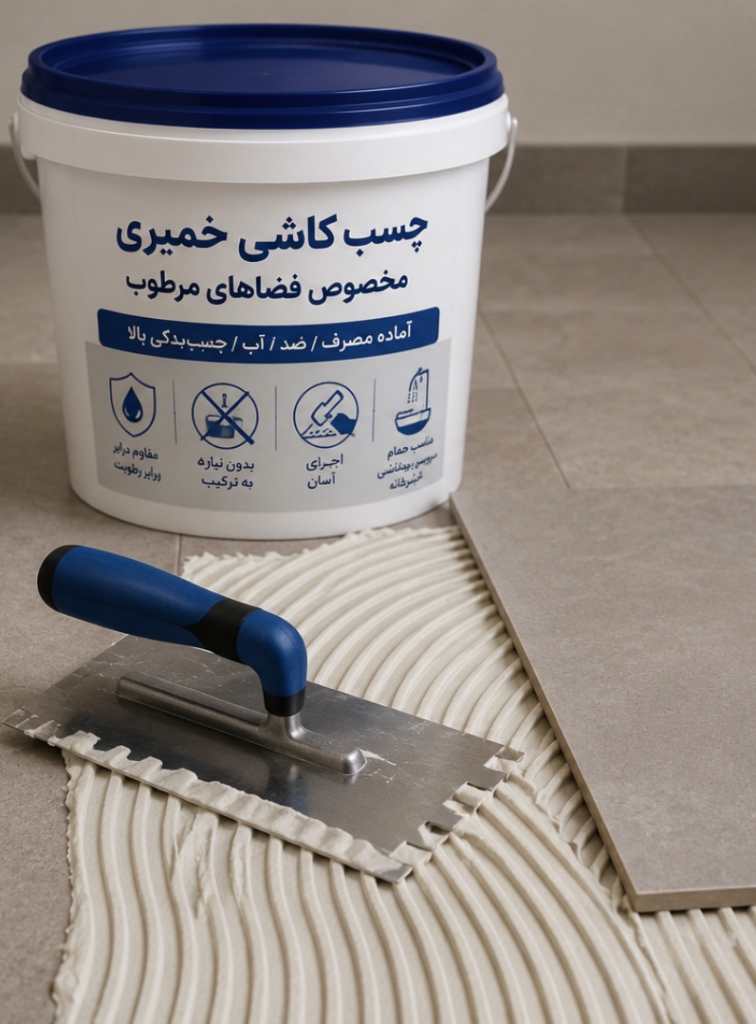
What features should a suitable tile adhesive for wet areas have? Therefore, let's examine the key characteristics
Now that we have examined the importance of adhesive selection for wet areas, the important question is: what features should we look for when making the right adhesive selection? Many products available on the market are suitable for tile installation. However, not all of them perform the same way in environments constantly exposed to moisture and water. If the adhesive cannot maintain its quality in such conditions, even proper installation will not prevent future problems.
The most important factor in adhesive selection for wet areas is high resistance to moisture and water penetration. This type of adhesive must maintain its bonding strength even when the surface is continuously exposed to water or steam. Otherwise, water will gradually penetrate behind the tiles and weaken the connection between tile and substrate.
Another key factor in adhesive selection is high bonding strength. A standard adhesive must create a strong connection between the tile and the substrate. This prevents the tile from detaching over time due to weight or environmental changes. This is especially important for porcelain or large-format tiles. These tiles are heavier and put more pressure on the adhesive.
Do not focus only on waterproofing when making your adhesive selection
Many people assume that if a product’s packaging says “waterproof,” it is suitable for any wet area. However, in practice, there are other important features as well. For example, a high-quality adhesive must also resist temperature changes — a point often overlooked in adhesive selection. In spaces like bathrooms or saunas, surface temperature constantly fluctuates. If the adhesive lacks sufficient flexibility, it may crack or lose strength over time.
In addition, good workability is also important in adhesive selection. The adhesive should spread easily on the surface, allow enough time for tile adjustment, and form a strong bond after drying. Also, the chosen product should be compatible with the substrate type and tile material to deliver the best performance.
Finally, a successful adhesive selection for wet areas is one that combines features such as moisture resistance, high bonding strength, proper flexibility, long-term durability, and compatibility with project conditions. Paying attention to these factors during adhesive selection will result in higher-quality tiling and minimize future problems like tile loosening or detachment.
Paste vs. powder tile adhesive for wet areas — accordingly, which is the better choice?
One of the most common questions when buying tile adhesive is whether paste or powder adhesive is better. The truth is that both types are designed for use in wet areas. If you choose a high-quality product and apply it correctly, both can perform well. However, the choice between them depends on factors such as installation location, tile type, and project conditions.
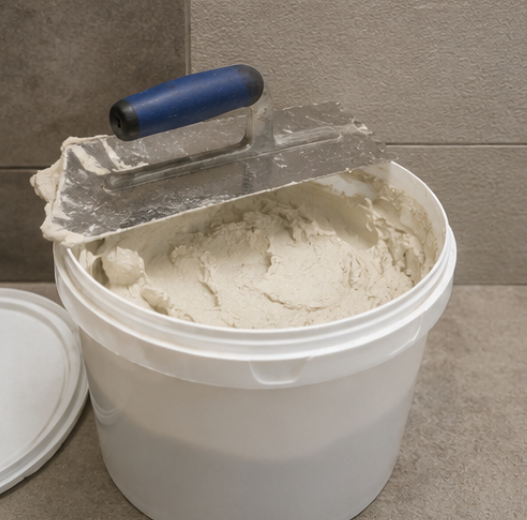
Paste tile adhesive comes ready to use. It does not need to be mixed with water or other materials. This makes it easier to apply and increases installation speed. In addition, this adhesive offers good initial grab and prevents tiles from slipping on walls. Therefore, it is one of the most popular choices for installing tiles in bathrooms, toilets, kitchens, and other indoor wet areas.
On the other hand, powder tile adhesive also offers high resistance and strength. It is widely used in many construction projects. However, it must be mixed with a specific amount of water before use. This takes more time than paste adhesive. Nevertheless, if applied correctly, it can perform well in wet environments.
Why do many people choose paste tile adhesive?
Although both types are suitable for wet areas, paste tile adhesive is the more popular choice in many construction and renovation projects. Its ready-to-use format, fast application, good bonding strength, and cleaner installation process are the main reasons why it is widely used for tiling walls in bathrooms, toilets, and kitchens.
Finally, what matters most is not just choosing between paste or powder adhesive. The product must be of good quality and suitable for the project conditions. If the adhesive is chosen correctly and applied properly, the tiling will last longer, and problems like tile loosening or detachment will be minimized.
Buying tile adhesive for wet areas — what to consider? Accordingly, key tips
Choosing the right tile adhesive for wet areas does not only mean buying a waterproof product. To ensure long-lasting tiling, you should consider a few important points before purchasing. The first factor is the installation location. The conditions in a bathroom are not the same as in a kitchen or toilet. Water exposure levels vary from one space to another. Therefore, it is better to choose an adhesive designed specifically for that environment.
Another factor is the tile and substrate type. For example, porcelain tiles or large-format tiles require stronger bonding. Also, the substrate material affects adhesive performance and must be compatible with the chosen product.
When buying, pay attention to adhesive quality, bonding strength, moisture resistance, and the production date. Using a high-quality adhesive not only increases tile durability but also reduces the risk of problems like loosening or detachment. Also, remember that even the best adhesive will not perform well if not applied according to the instructions. Therefore, following proper application techniques along with choosing the right product plays a key role in the longevity of the tiling.
Conclusion
Choosing the right tile adhesive for wet areas is one of the most important factors affecting the quality and durability of tiling. If the adhesive is compatible with the environment, tile type, and substrate, problems like tile detachment, moisture penetration, or mold growth are largely reduced.
As we have examined in this article, both paste and powder tile adhesives can perform well in wet areas. However, in many interior projects such as bathrooms, toilets, and kitchens, paste tile adhesive is a practical and popular choice. This is due to its ready-to-use format, easy application, and good bonding strength.
Finally, what matters most is choosing a high-quality product and applying it correctly. These two factors together will ensure the durability and beauty of the tiling for many years to come.