
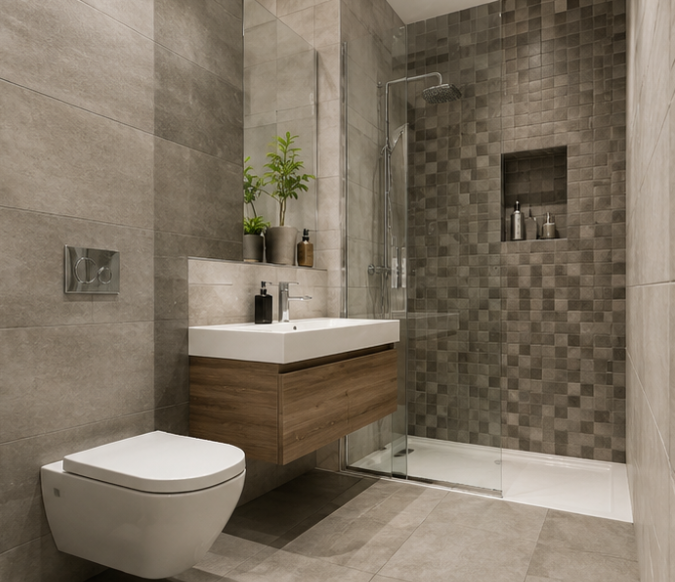
What is waterproof tile adhesive and what is it used for? Therefore, let's explore its purpose
If you have ever faced issues like tile loosening, moisture penetration, or dampness in walls and floors, the solution may lie in using waterproof tile adhesive. In many cases, these problems occur because unsuitable materials or traditional installation methods were used.
Today, waterproof tile adhesive is known as one of the best alternatives to traditional mortars. This product not only provides strong bonding but also offers high resistance to moisture. As a result, it increases the durability and longevity of tiles and ceramics. Therefore, it has become widely used in construction and renovation projects — especially in wet areas.
In this article, we will examine what waterproof tile adhesive is, how it differs from cement mortar, where it is used, and what its main benefits are. We will also cover key selection tips, proper usage methods, and common mistakes that can reduce its performance. This will help you make more informed decisions for your construction or renovation projects.
In this article, you will read:
What is waterproof tile adhesive and why is it important?
How does waterproof tile adhesive differ from cement mortar?
Where is waterproof tile adhesive used?
What are the main benefits of waterproof tile adhesive?
What should you consider when buying and using waterproof tile adhesive?
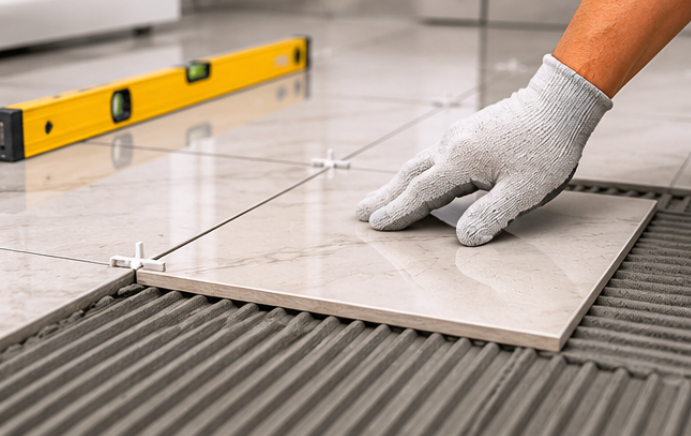
What is waterproof tile adhesive, and why is using it important? Therefore, let's explore its role
When it comes to tile and ceramic installation, many people still consider cement mortar as the first option. This method has been used in construction for years. However, it cannot always prevent moisture penetration or tile detachment. Especially in spaces like bathrooms, toilets, kitchens, or pools — where the surface is constantly exposed to water — using unsuitable materials can quickly cause problems such as tile loosening, wall dampness, mold growth, and even substrate damage. Therefore, waterproof tile adhesive has become a common and reliable solution in the construction industry today.
Waterproof tile adhesive is a type of construction adhesive made from cement, polymers, and special additives. It not only provides strong bonding but also offers high resistance to water and moisture penetration. After application, it creates a firm connection between the tile and the substrate. As a result, it minimizes the risk of tile detachment or movement. Therefore, it is widely used in both new buildings and renovation projects.
One of the main reasons for its popularity is its better performance in wet conditions compared to traditional mortars. Cement mortar may crack over time or allow water to pass through its pores. However, polymer-based adhesives, due to their different structure, offer greater resistance to moisture and temperature changes. This feature helps tiles stay in place longer and reduces the need for repairs or replacement.
Another important point is that this adhesive is not only used for tile installation in bathrooms or toilets.
In fact, waterproof tile adhesive can be used in kitchens, terraces, balconies, laundries, pools, saunas, and any area where water exposure is possible. Even in many renovation projects, new tiles can be installed over old ones using this adhesive. This reduces demolition costs and speeds up the installation process.
Finally, it is important to note that waterproof tile adhesive is not just a material for bonding tiles. Instead, it is part of a professional and durable installation. Choosing the right adhesive, together with proper application, can prevent many problems caused by moisture penetration or reduced strength years later. Therefore, understanding this product and its applications and features is the first step toward a strong and long-lasting tile covering.
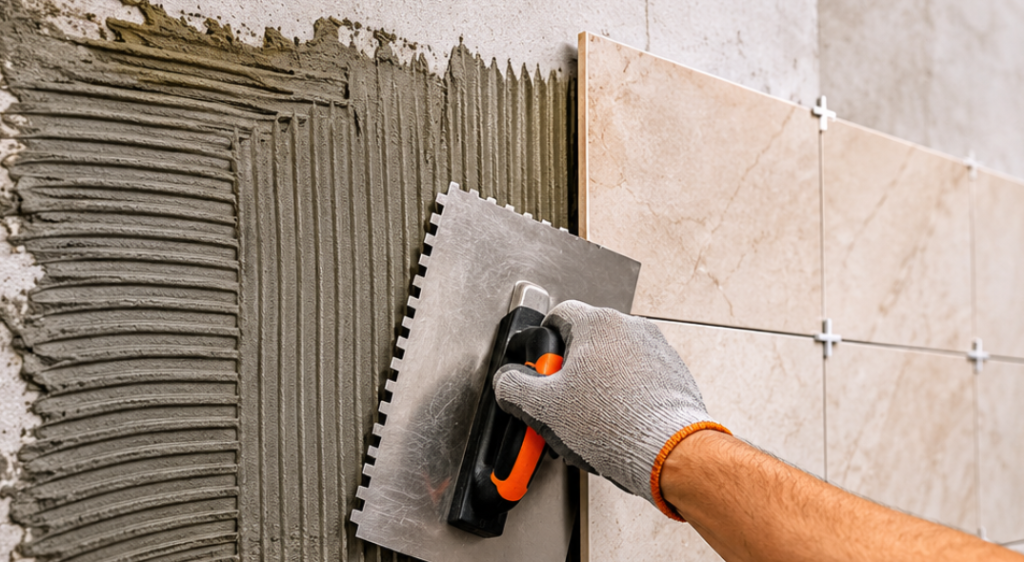
How does waterproof tile adhesive differ from cement mortar? Therefore, let's compare them
One question that comes up before buying or installing tiles is how waterproof tile adhesive differs from cement mortar. Many people assume that both perform the same way, and only their application method differs. However, in practice, there are important differences that directly affect the final quality.
The first difference is bonding strength. Cement mortar requires a thicker layer for proper adhesion. If not applied correctly, tiles may become loose over time. In contrast, waterproof tile adhesive creates a strong bond even with a thin layer. As a result, tiles adhere better, and the risk of detachment is lower.
The next important difference is moisture resistance.
Traditional mortars are somewhat water-resistant. However, over time, moisture may pass through them. This can lead to dampness, efflorescence, or mold behind the tiles. But waterproof tile adhesive is specifically designed to perform much better in wet environments and largely prevents water penetration.
There are also differences in installation speed. Preparing cement mortar takes time and requires more skill. After application, the mortar also needs enough time to cure. On the other hand, most waterproof tile adhesives come ready-to-use or in powder form and are easier to work with. Therefore, project speed increases, and additional work is reduced.
Another advantage of tile adhesives is their use in renovation projects. In many cases, new tiles can be installed over old ones without full demolition. This is usually not possible or effective with cement mortar. As a result, using adhesive reduces demolition, debris removal, and re-substrate costs.
Of course, this does not mean abandoning cement mortar completely. In some projects — especially where a thick bed or leveling is needed — mortar is still useful. However, for most interior spaces and wet areas, waterproof tile adhesive is a more reliable, faster, and more durable choice. Therefore, it has become a common standard in many construction projects today.
Where is waterproof tile adhesive used? Therefore, let's explore the suitable areas
One reason for the popularity of waterproof tile adhesive is that it is not limited to one specific space. Any environment exposed to moisture, frequent washing, or temperature changes may need this type of product. However, the choice should match the installation area and its conditions to achieve the best results.
The most common use of this adhesive is in bathrooms and toilets. In these spaces, walls and floors come into contact with water almost daily. If the wrong product is used, moisture will gradually penetrate behind the tiles and cause them to loosen or detach. Using the right one significantly increases the durability of the tiling.
Kitchens are another area where this product is very important. Steam, frequent washing, and liquid spills on floors or walls all make moisture resistance more critical. Therefore, many professional installers use waterproof tile adhesive for installing backsplash tiles or kitchen floors.
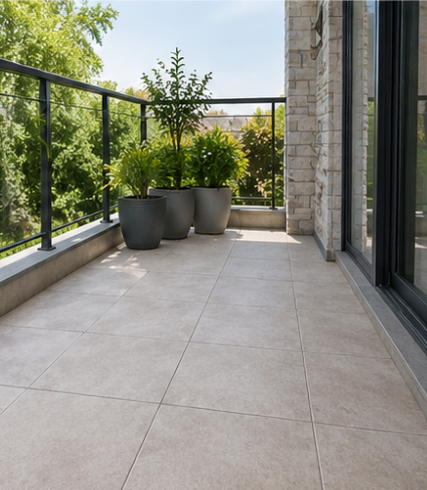
It is also used on terraces, balconies, and yards. These areas are exposed to rain, sunlight, and temperature changes. If the materials used are not of good quality, the risk of cracking or tile detachment increases. A high-quality adhesive can greatly reduce this risk.
In special projects like pools, saunas, Jacuzzis, and water features, waterproof tile adhesive is almost essential. However, in these spaces, the product alone is usually not enough. It should be used alongside moisture-proofing systems to prevent water from reaching the underlying layers.
In addition, water-resistant adhesive is also widely used in renovation projects. If the old tiles are in good condition, new tiles can often be installed over them without demolition. This method reduces costs, saves time, and produces less construction waste. For these reasons, this product is now one of the most widely used materials for installing and renovating tiles and ceramics.
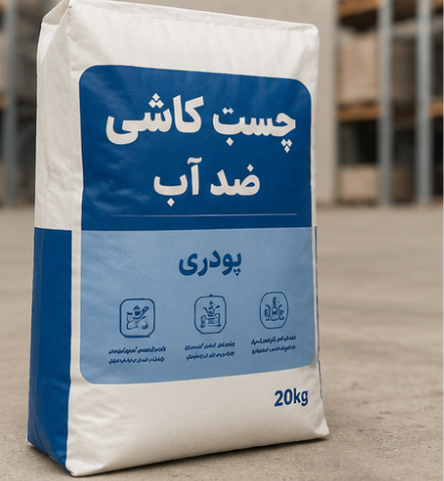
What are the most important benefits of using waterproof tile adhesive? Therefore, let's explore them
The popularity of waterproof tile adhesive is not only due to its moisture resistance. This product offers several advantages that have made it a replacement for traditional mortars in many construction and renovation projects. Understanding these benefits will help you decide whether this product is the right choice for your project.
The first and most important benefit is high resistance to water and moisture. In spaces like bathrooms, toilets, and kitchens, constant contact with water is normal. If unsuitable materials are used, moisture penetrates behind the tiles and gradually damages the substrate. Waterproof tile adhesive greatly reduces this risk and helps tiles maintain their quality for a longer time.
Another benefit is very high bonding strength. This adhesive creates a strong connection between the tile and the substrate. As a result, it reduces the risk of tile loosening or detachment. This feature is especially important for large tiles and porcelain ceramics, because these materials weigh more than standard tiles.
Faster installation is another reason for its popularity. Many types of tile adhesive come ready-to-use or in powder form and require little preparation time. Also, the adhesive layer is thinner than mortar, which makes the job easier and cleaner.
Another important benefit is reduced repair and maintenance costs. When tiles are properly installed and have adequate moisture resistance, early repairs become less likely. In the long run, this can significantly reduce additional costs.
Finally, waterproof tile adhesive offers more flexibility than traditional mortars. This allows it to perform better against temperature changes and minor building movements. Therefore, if the right product is chosen and applied correctly, the tile covering can remain problem-free for years.
Buying and using waterproof tile adhesive — what to consider? Accordingly, key tips
Choosing waterproof tile adhesive is not limited to buying a high-quality product. If the adhesive is not suitable for the project or is not applied correctly, even the best products will not deliver satisfactory results. Therefore, before buying and when using this adhesive, you should pay attention to a few important points.
First of all, identify the installation location. An adhesive that works well for interior tile installation may not be the best choice for pools, terraces, or building facades. Each environment has different conditions. Therefore, choose a product designed for that specific application.
Another key point is surface preparation.
The surface where the tiles will be installed must be clean, solid, and free of dust, grease, or peeling paint. If the substrate lacks adequate strength, adhesion will decrease, and tiles may detach from the surface over time.
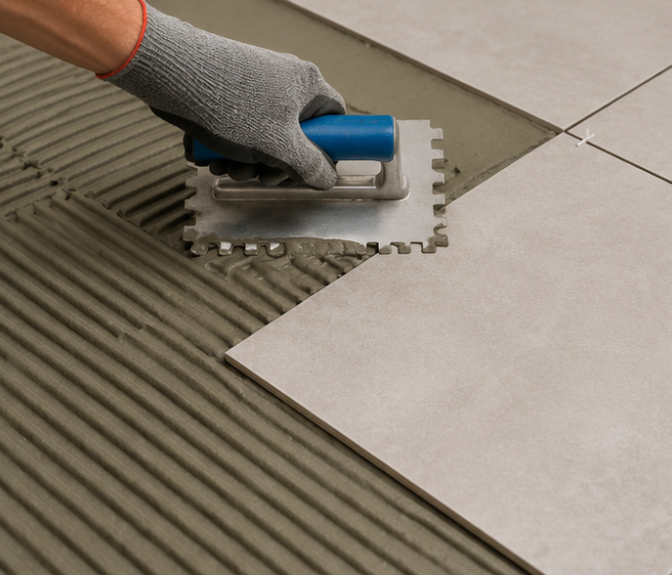
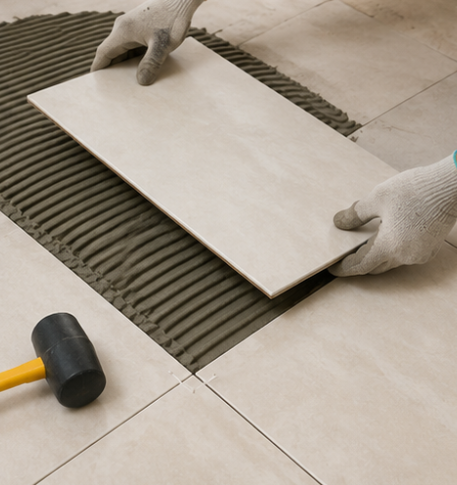
During application, pay attention to the amount of adhesive used. Using too much or too little can reduce installation quality. Also, it is better to spread the adhesive with a suitable notched trowel so that the thickness is even across all areas. This ensures proper tile placement.
Another important point is the adhesive’s working time. Adhesive that remains unused for too long after mixing will lose some of its properties. Therefore, prepare only as much adhesive as needed for the workload and follow the manufacturer’s instructions.
Finally, always use standard, high-quality products. A cheaper adhesive may reduce initial costs. However, if quality is poor, future repair and replacement costs will be much higher. Choosing the right adhesive, applying it properly, and following technical points are the three main factors that will ensure waterproof tile adhesive performs at its best and the tiling remains strong and durable for years.
Conclusion
Waterproof tile adhesive is one of the most practical materials for installing tiles and ceramics in wet areas. By providing high bonding strength and proper moisture resistance, it helps increase the durability and longevity of tiling. Furthermore, compared to traditional mortars, it offers faster installation and can also be used in many renovation projects.
However, to achieve the best results, the adhesive must be chosen according to the installation location, and proper application techniques must be followed. Ultimately, using a high-quality waterproof tile adhesive can prevent many future problems such as tile loosening, moisture penetration, and costly repairs.