
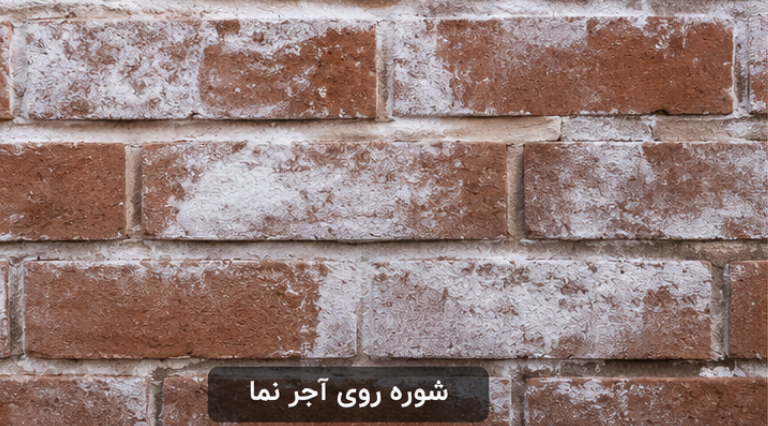
where do white stains on the facade come from? Accordingly, a complete review of the causes of brick and stone efflorescence
You have probably experienced this before. For example, you look at a newly constructed building with a beautiful brick or natural stone facade. A few months later, you pass by it again. Suddenly, white, powdery stains appear on the surface — as if someone has sprinkled flour or stone powder on the wall. Technically, this phenomenon is called efflorescence.
Many people think these stains only make the building look ugly and have no other consequences. However, this way of thinking is wrong. In fact, sometimes behind this issue lies a much bigger problem that can seriously damage the texture of the brick and stone. Therefore, in this article, I want to understand step by step: what exactly efflorescence is, how it forms, why it doesn’t go away even after washing, and — more importantly — how to prevent it.
The three main causes of facade efflorescence that lead to white stains on brick and stone
Why does facade efflorescence return after washing?
Types of building efflorescence: which one is only cosmetic and which one is destructive?
How to prevent facade efflorescence? Accordingly, 6 simple and practical solutions
the three main causes of white stains on brick and stone. Accordingly, here they are
For efflorescence to occur, three factors must come together at the same time and place. If just one of these three is missing, those white stains will not appear. Therefore, let’s first understand these three factors properly.
First: water-soluble salts
Salts are everywhere. However, salt is not just the white table salt we put on our meals. In construction science, any compound that can dissolve in water and remain as white crystals after the water evaporates is considered a salt. These salts can enter the building system from several sources.
The first source is the building materials themselves. For example, some bricks contain salts due to the type of clay from which they were fired. Similarly, some natural stones have their own mineral content. Additionally, the cement used in mortar is one of the largest sources of salt production. When cement reacts with water, it releases calcium hydroxide, which later turns into the white salt on the surface.
The second source is the water used on the construction site. Specifically, if the water used for mixing mortar or washing the facade is salty or contains high mineral content, it introduces salts into the building. For instance, deep well water in some parts of Iran is rich in minerals.
The third source is the surrounding environment. De-icing salts spread on the ground in winter, salt present in the air in coastal areas, or even natural salts in the soil can all penetrate the walls through rising damp.
Second: water to dissolve the salts
Salt by itself cannot do anything. Therefore, there must be water to dissolve the salt. This is referred to as moisture. Moisture can attack brick and stone in several ways.
The first path is rainwater infiltration. If the facade is exposed to heavy rain and the materials have high water absorption, rainwater enters the depth of the wall and collects the salts.
The second path is ground moisture and rising damp from below. If the damp-proof course in the foundation has not been properly installed, groundwater rises upward through capillary action. Sometimes this moisture reaches several meters up the wall.
The third path is leaks from pipes and installations. For example, a cracked sewage or hot water pipe inside the wall can release the salts present in the mortar and bring them to the surface.
The fourth path is construction moisture. Specifically, the water used for grouting or washing the facade after completion, if it does not have a chance to fully escape, remains inside the wall and later appears as efflorescence.
Third: a driving force to bring the saltwater solution to the surface
Now we have salt, and we have water. Accordingly, what causes this saltwater solution to move toward the facade surface and evaporate? Two main forces perform this task.
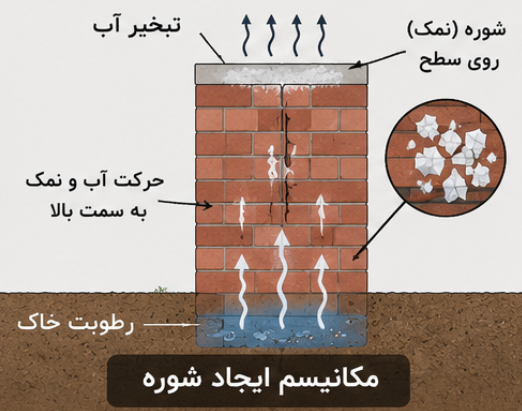
The first is capillary force. Brick, stone, and mortar all have fine pores. These pores act like a bundle of thin straws. Water is naturally drawn upward through these narrow pathways — just like oil rising in a lamp wick. The finer the pores, the higher the water rises. This is precisely why efflorescence usually starts at the bottom of the wall and moves upward.
The second is evaporation force. When the sun shines on the facade, it heats the surface. Surface water evaporates. Consequently, this evaporation causes the saltwater solution from behind to move toward the surface to replace the evaporated water. This cycle repeats constantly. Accordingly, the water leaves, and the salts remain on the surface. The next day, the same thing happens again. Layer upon layer of salt accumulates until you see those thick, ugly white stains.
Therefore, imagine these three enemies have gathered together. The materials contain salt. Water has reached them from somewhere. And the sun is evaporating the water. The result is nothing less than the disaster of efflorescence.
Now the next question is: why do some buildings suffer from efflorescence while others do not? The answer is simple. Not every building gets wet. Not every facade is exposed to strong wind and sun. However, when all three conditions align, it does not matter whether your building is new or a hundred years old — it will develop efflorescence.
Now, let’s move on to the next section: why efflorescence does not go away with washing, and what types of efflorescence exist.
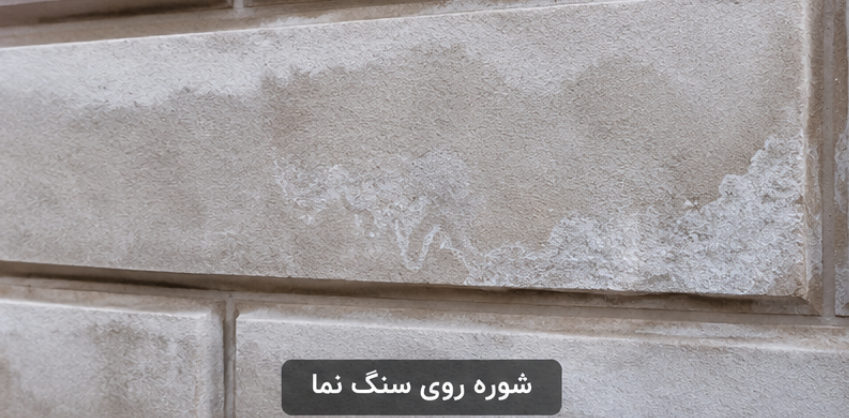
why does facade efflorescence come back after washing? Accordingly, here's the explanation
You have certainly experienced this. For example, you take a damp cloth and, with great effort, wipe those white stains off the brick or stone. A few days later, they return to exactly where they were — as if you had never bothered at all. Naturally, this frustrates many people. They think either they didn’t do the job properly or they used weak cleaning products. However, the truth is something else entirely.
Efflorescence is not a simple surface layer that just sits on the stone. In fact, efflorescence is the tip of the iceberg. The white layer you see is only a small fraction of all the salts embedded deep within the wall. Therefore, imagine making a bowl of salt water and leaving it in warm weather for a week. As the water evaporates, a white layer of salt forms on the bowl’s surface. Now, if you wipe that layer with a cloth, the bottom of the bowl still contains salt. Accordingly, when you moisten the bowl again, the salt returns to the surface.
Exactly the same thing happens to your wall. The salts are trapped deep inside the brick, stone, or mortar. Consequently, you are only cleaning the surface appearance. However, the root of the salts remains deep within the wall. The first time it rains or moisture rises from the ground into the wall, that same water redissolves the salts and brings them back to the surface.
Here is the bitter part of the story.
Sometimes washing efflorescence with water not only fails to solve the problem but actually makes it worse. How? The water you use for washing enters the pores of the wall. This fresh water also dissolves the deeper salts. As a result, when this water evaporates, more salt deposits on the surface than before. In other words, you are inadvertently nurturing the efflorescence with your own hands.
Now you understand why, on some buildings, the efflorescence becomes more pronounced after every rainfall. Rainwater constantly draws fresh salt out from within the wall and deposits it on the surface. Therefore, this cycle never stops as long as a source of salt remains in the wall — unless you cut off the source of moisture.
Accordingly, in the next section, we will discuss what types of efflorescence exist, which ones are dangerous, and which ones only spoil the appearance.
types of building efflorescence. Accordingly, which type is only superficial and which one is damaging?
Many people think that every white stain on a facade is exactly the same. However, they are mistaken. In fact, efflorescence has two completely different types. One type only spoils the appearance of the building but does not harm the materials themselves. The other type acts like a silent cancer, destroying the texture of the brick and stone from within. Therefore, let’s distinguish between these two.
First type: surface or temporary efflorescence
This is the type of efflorescence you see on newly constructed buildings. For example, only a few months after construction is completed, white stains appear. The source of these salts is usually the fresh mortar or the construction water itself. Specifically, when fresh cement reacts with water, it releases a large amount of calcium hydroxide. This compound then combines with carbon dioxide in the air and forms a white, powdery layer on the surface.
The good news is that this type of efflorescence usually disappears on its own over time. After a year or two, rain and weather factors wash it away, and it does not return. Therefore, all you can do is be patient. Alternatively, if you want to get rid of it sooner, you can clean it with a soft brush and ordinary water. However, remember that it may return a few times before gradually fading away.
Second type: destructive or chronic efflorescence
Now, this is where the situation differs. This type of efflorescence appears months or even years after the building is constructed. Unlike the first type, which is powdery and loose, this efflorescence sits hard and firmly on the surface. Sometimes it becomes so thick that it looks like a white layer of plaster on the brick and stone.
Where does this efflorescence come from? Generally, it has three sources. The first is continuous moisture from the ground, which brings soil salts into the wall. second is the use of salty water in mixing mortar or grout, which reveals itself years later. The third is the presence of sulfate salts — such as sodium sulfate and magnesium sulfate — within the brick itself or the region’s clay soil.
What is the danger of this type of efflorescence? Specifically, when sulfate salts crystallize inside the pores of brick and stone, their volume increases several times over. This expansion acts like a wedge, cracking the pore walls from within. Consequently, over time, the bricks become powdery, lose their surface, and forfeit their strength. Natural stones also suffer from erosion and separate layer by layer.
Distinguishing between these two types of efflorescence is very important. For example, if the efflorescence is powdery and loose and wipes off easily with a cloth, it is likely the first type and not particularly dangerous. On the other hand, if the efflorescence is hard and does not come off easily even with a scraper, or if the brick surface underneath is powdery and has lost its integrity, then you are dealing with the second type. Accordingly, you must take the matter more seriously.
Now, let’s move on to the next section: how to prevent efflorescence before it happens.
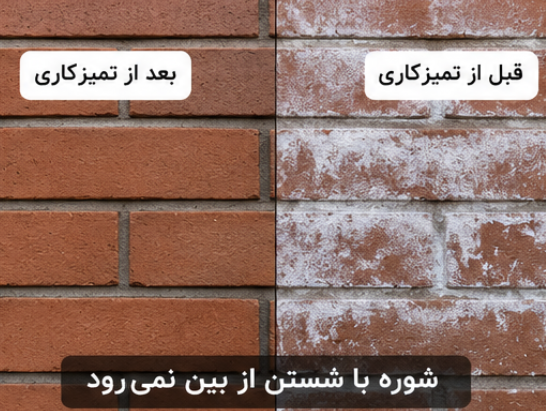
how to prevent facade efflorescence? Accordingly, here are six simple and practical solutions.
Prevention is always cheaper and easier than cure. The same is true for efflorescence. Therefore, if you do these few simple things right now, you will save yourself a lot of trouble later.
First, control the water you use.
Salty water or water with high mineral content adds salt to the building. Accordingly, use municipal tap water.
Second, buy low-salt materials.
Some bricks contain salty clay. Therefore, before purchasing, soak a sample in water and let it dry. If a white stain appears, that material is efflorescence-prone.
Third, do not make the mortar too wet (i.e., sloppy or watery).
Too much water means loose mortar and more pores. More pores mean an easier path for salt to move. Also, do not forget to use anti-efflorescence additives.
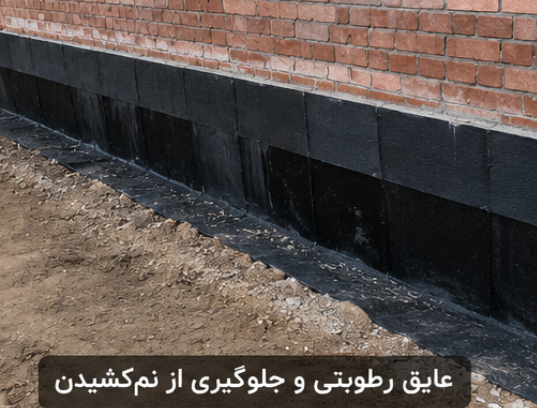
Fourth, install the damp-proof course properly. Rising ground moisture is the biggest killer of walls. For example, if the foundation damp-proofing is not done correctly, water rises like a wick, and you will never stop the efflorescence.
Fifth, make the facade water-repellent.
Water-repellent and nano materials create an invisible layer on the surface. As a result, instead of penetrating, rainwater rolls off and falls down. Without water, there is no efflorescence.
Sixth, do not forget ventilation.
The wall must be able to breathe. For instance, do not seal the back of closets and cabinets where moisture can get trapped.
These measures do not cost much. However, if they are ignored, you will have to pay a hefty price for repairs later on.
Conclusion — Accordingly, stop the moisture, stop the salt, and you will stop the stains
Conclusion — Efflorescence consists of white stains that form on brick and stone when salt, water, and evaporation forces come together at the same time. Therefore, if the efflorescence is surface-level and temporary, it only spoils the appearance and gradually disappears on its own. However, if the efflorescence is chronic and deep-seated, it destroys the texture of the materials from within.
Accordingly, prevention is always better than cure. Clean water, low-salt materials, proper damp-proofing, and making the facade water-repellent will save you from this trouble. Furthermore, if efflorescence has already appeared, identify its type and act accordingly. For chronic efflorescence, cutting off the source of moisture is absolutely necessary.
In conclusion, the cost of preventing efflorescence is always lower than the cost of repair and rework.