

Iranian tiling
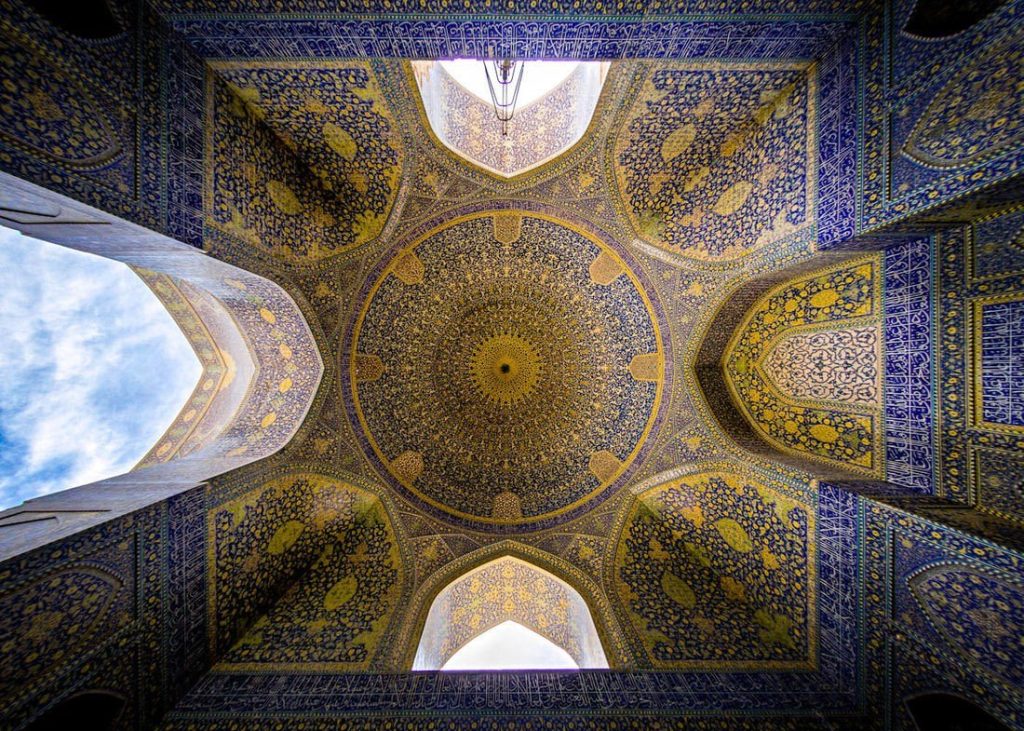
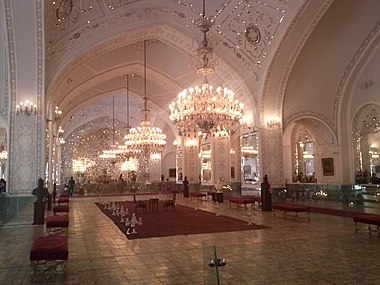
The art of tiling is used to decorate palaces, public buildings, historical monuments, tombs, and religious buildings such as mosques and seminaries. The importance of tiling in Iranian architecture stems from two important factors: the need for simple clay bricks to be waterproof and the need to decorate buildings. Since ancient times, Iranians have used tiles to decorate historical buildings. Wherever you go in Iran, you will see colorful and ornate tiling, adorning the walls, domes, and minarets of mosques and decorating the edges of buildings. The tiled domes of Iranian mosques, with their vivid colors reminiscent of Faberge eggs, will probably be one of your lasting memories of Iranian tiling. Tilework (Tilework).
History of Iranian tiling
The first evidence of glazed bricks dates back to the 13th century BC at the Elamite temple of Chogha Zanbil. Glazed and colored bricks were used to make reliefs in ancient Mesopotamia, notably on the Ishtar Gate of Babylon (c. 575 BC). Mesopotamian artisans worked to decorate the palaces of the Persian Empire, such as Persepolis. The Achaemenid Empire decorated buildings with glazed brick tiles, including the palace of Darius the Great at Susa and the buildings of Persepolis. The Sassanid Empire also used tiles with geometric designs, flowers, plants, birds, and humans, with glazes up to one centimeter thick.

Islamic mosaics
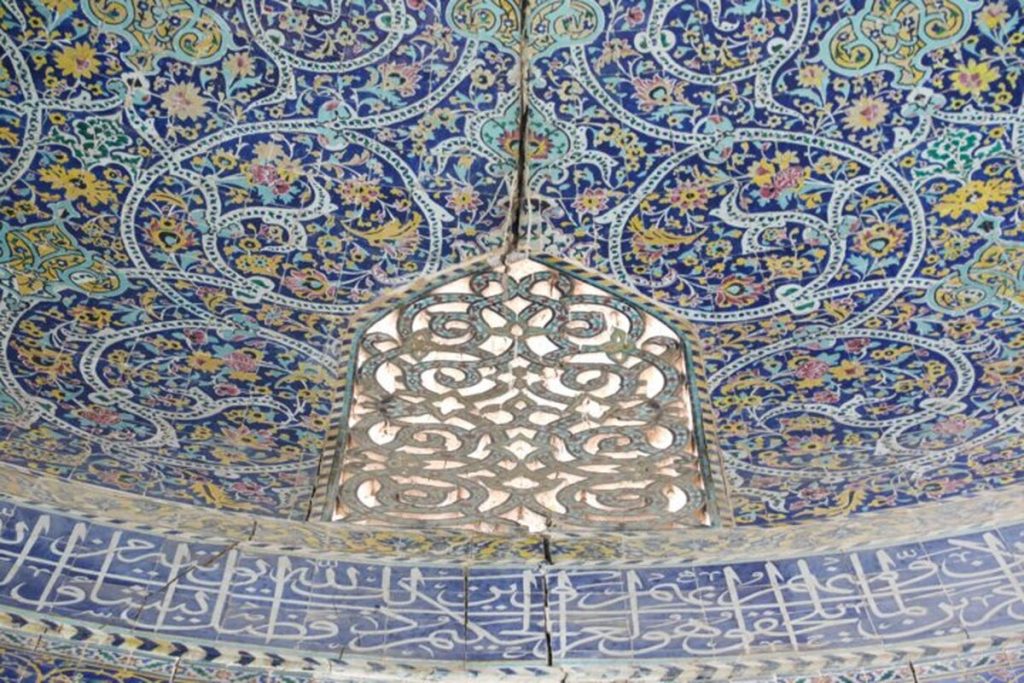
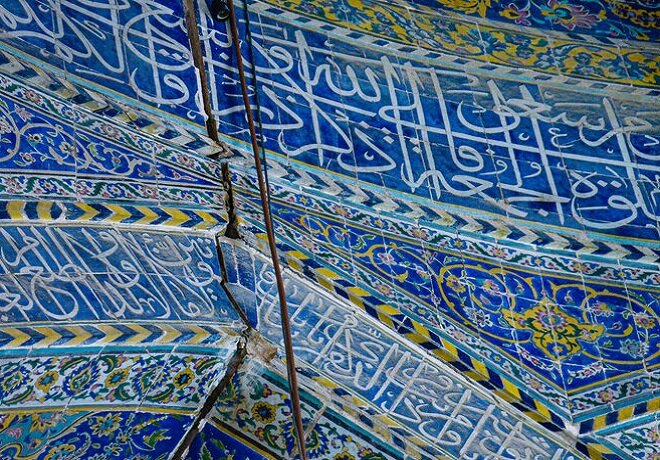
Early Islamic mosaics in Iran consist mainly of geometric decorations of mosques and tombs with glazed bricks. Plain turquoise tiling became popular in the 10th–11th centuries and is mostly used for Kufic inscriptions on mosque walls. The Seyyed Mosque of Isfahan (1122 CE), the Maragheh Dome (1147 CE), and the Jameh Mosque of Gonabad (1212 CE) are among the best examples.
The most famous example of early tile art on objects is the mosaic rhyton discovered in the Marlik excavations and known as the “Thousand Flowers.” This art developed during the Achaemenid, Parthian, and Sasanian periods. During the Safavid period, mosaic decorations were often replaced by the seven-color technique. Images were painted on simple rectangular tiles and then fired. By the Qajar period, the color palette had expanded to include yellow and orange. The seven colors of tiling included black, white, azure, turquoise, red, yellow, and fawn.
The evolution of the art of tiling
The Persian tradition continued and spread to many parts of the Islamic world. Palaces, public buildings, mosques, and tombs were heavily decorated with large, colorful floral motifs, as well as geometric patterns of astonishing complexity, and calligraphy. The golden age of Iranian tiling began during the Timurid Empire.
Tiling techniques
Tile-making techniques in the Timurid period
The Mora technique involves cutting single-colored tiles into small geometric pieces and assembling them by pouring liquid plaster between them. Once the panels have hardened, they are installed on the walls of buildings. Mosaic is not limited to flat areas, and tiles are used to cover the interior and exterior surfaces of domes.
Prominent examples of this technique in the Timurid period include:
- Yazd Grand Mosque (1324-1365 AD)
- Goharshad Mosque (1418 AD)
- Khan School in Shiraz (1615 AD)
- Mevlana Mosque (1444 AD)
Another important technique is the use of white and strapped tilework. As the focal point of mosques, mihrabs are usually the places where the most intricate tiling is done. The mihrab of the Imami School of Isfahan is an outstanding example of the aesthetic fusion of Islamic calligraphy and abstract decoration. The pointed arch above the mihrab has an inscription in Kufic script, which is used in the Quran.
The Shah Mosque of Isfahan, a masterpiece of 17th-century Iranian architecture, has a dome adorned with stunning tilework. The mosque’s winter prayer hall houses one of the finest collections of tilework in the world. The production of a variety of tiles is essential to cover the complex shapes of the hall with coherent mosaic patterns. This achievement is not only a technological triumph, but also a dazzling display of abstract ornamentation.